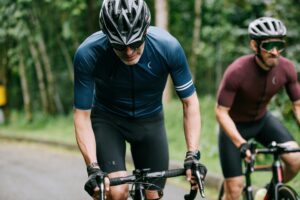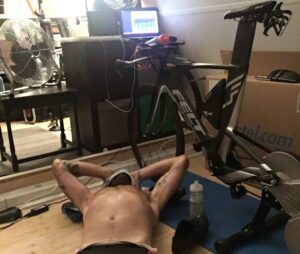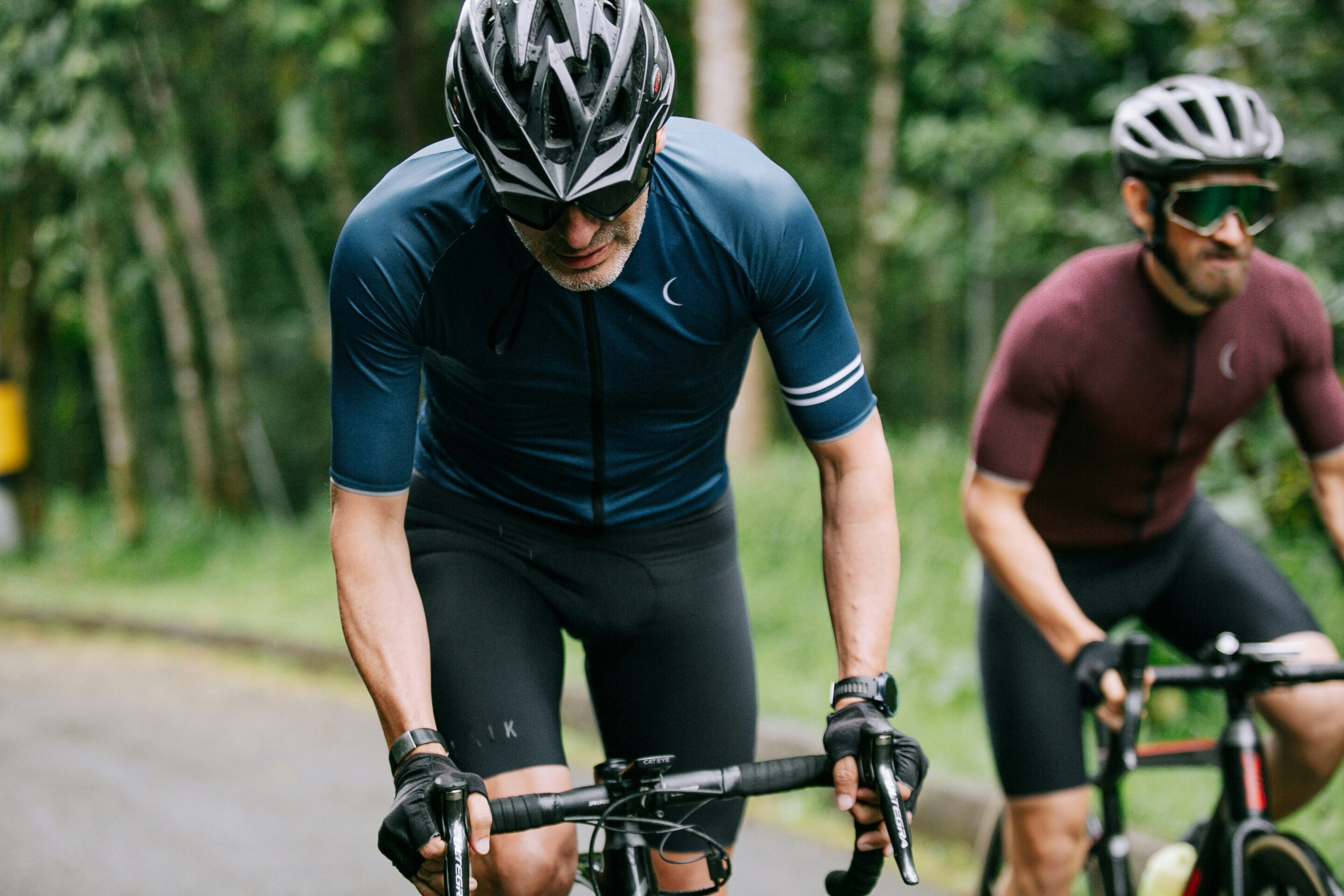
Triathlon isn't just a sport; it's a lifestyle that keeps us healthy, energised and motivated in every other area of life. One of the best things about swim, bike and run is that, unlike contact or collision sports, it's something we can pursue well into our later years.
However, we can't ignore the biological reality: as we get older, our bodies change. I'm incredibly sad to admit it but the research is pretty clear on it - physical capacity typically peaks in our 20s before beginning a gradual decline. The good news is that active endurance athletes experience a much slower rate of decline than sedentary people.
And, let's be clear, getting older doesn't mean you're destined to slow down either. With the right training approach and a smart mindset, older triathletes can continue to set personal bests, stay competitive and smash their goals for decades.
What's actually happening under the hood
To adapt your training effectively, you first need to understand the physiological changes occurring as the years roll by:
- Sarcopenia and fast-twitch muscle loss: Growth hormone production decreases with age, leading to a natural decline in muscle mass. Crucially, type II fast-twitch muscle fibres – the ones responsible for explosive sprints, surging up hills and heavy power output – are lost faster than slow-twitch fibres because daily life rarely demands their use.
- Reduced aerobic capacity (VO2Max): The capacity of your heart and lungs to deliver oxygen to working muscles diminishes over time. Maintaining a high VO2Max is one of the strongest predictors of long-term health, longevity and athletic endurance.
- Loss of mobility and joint flexibility: Stiffening joints can make holding an aerodynamic position on the bike, maintaining a high-elbow swim catch or running with proper stride mechanics far more uncomfortable, increasing your injury risk.
- Greater recovery debt: Older athletes take longer to repair damaged muscle tissue after hard workouts. The recovery window your body requires after a grueling brick session or hard interval set expands significantly.
Despite these challenges, thousands of triathletes in their 50s, 60s and beyond continue to thrive. The secret isn't training harder or piling on more volume; it's taking a far more precise, high-yield approach to your week.
Five strategic adjustments for ageing triathletes
1. Make heavy strength training non-negotiable
Instead of viewing gym work as an optional extra when you have free time, put strength training at the absolute core of your weekly schedule. Lifting heavy weights is the single most effective tool you have to combat sarcopenia, preserve lean muscle mass and maintain structural integrity across swim, bike and run.
Focus on compound movements like squats, deadlifts and lunges. Once your movement mechanics are solid, move away from high-rep, light-weight circuit work and focus on heavier loads with lower rep ranges. On the bike, complement this with high-torque sessions – pushing big gears at a low cadence to recruit those critical fast-twitch motor units. For the run, think hills and start adding hand paddles to more swim sessions.
2. Prioritise intensity over junk volume
Research shows that training intensity and workout frequency are the two most critical levers for preserving VO2Max as you age. Endless, slow junk miles simply create chronic fatigue without triggering the high-level aerobic adaptations you need.
Trade mindless volume for high-quality interval sessions, hill repeats and targeted tempo efforts across all three disciplines. You'll get maximum bang for your buck while preserving your body for the long haul.
Because ageing muscles repair more slowly, going hard too often is a direct route to overtraining, systemic burnout and tendon injuries.
3. Respect the recovery window
Allow 48 to 72 hours of recovery between high-intensity or long endurance sessions. High-performing older athletes don't get faster during the workout itself; they get faster during the recovery that follows. If your body signals deep fatigue, swap a hard run for an easy swim or take a complete rest day. You'll need to be more in tune with your body and more forgiving of yourself than you needed to be in your younger days.
4. Work on daily mobility and posture
A few minutes of targeted mobility work every single day will keep your joints moving freely and prevent overuse injuries. Spend time improving hip flexor length, thoracic spine extension and ankle mobility.
Maintaining flexibility directly translates into holding a cleaner aero position on the bike, getting a longer reach in the pool and maintaining efficient run mechanics when fatigue sets in.
5. Distribute your protein intake strategically
As metabolism naturally slows with age, quality of nutrition becomes far more important than sheer caloric volume.
To support muscle protein synthesis and repair, distribute your protein intake evenly throughout the day rather than eating one massive meal at night. Aim for 25g to 40g of high-quality protein per meal across three to four servings daily, and always take in a carb-protein mix shortly after finishing tough sessions.
Stop guessing, start performing
Younger triathletes in their 20s can often survive chaotic, unguided training simply because their young bodies bounce back quickly from mistakes. Ageing athletes don't have that luxury. You have a smaller margin for error, which means every session in your plan needs a clear purpose and proper recovery built around it.
When you fuel properly, lift heavy, respect your recovery and focus on smart intensity, getting older simply means getting wiser, stronger and faster.
Tired of generic plans that ignore your recovery needs or leave you feeling constantly exhausted? Come say hi to the TricoachMatt coaching family. I build smart, age-adaptive, personalised coaching around your real life so you can smash your triathlon goals and stay healthy for years to come.